I saw this article going viral, “How Can America Be So Miserable When It’s So Rich?” (obligatory archive link)
Both of those statements are true, and until recently, frankly, they stumped me. How could it possibly be rational to feel such prolonged pessimism in the face of such extraordinary economic growth?
Over the last quarter-century, G.D.P. growth in the United States has far outpaced growth in Europe and Japan, two of our primary economic competitors (outside of India and China), to such an extent that many of Europe’s most powerful nations have economies only as prosperous as those of our poorest states. British and French living standards, as measured by disposable income, for example, are more comparable to that of Mississippi, still the poorest state, than to America’s as a whole.
All of this is true. A I am fond of saying, we are living in an era of juxtapositions or contradictions between extremes–extreme wealth (e.g. billionaire AI fortunes) and those who are struggling to get by (e.g. ‘affordability crisis‘). Dumbing-down in school is juxtaposed with outlier achievement (e.g. U.S. math Olympiad performance). U.S. childhood obesity rates at record highs and U.S. military having to relax requirements due to recruits being out of shape, yet juxtaposed with amazing feats of strength on social media and U.S. Olympic world records. This has always been true, but in recent years, the polarity has become more extreme or lopsided.
Social comparison, status anxiety, high inflation, too much competition , too much screening, healthcare and insurance premiums through the roof—all of this either makes people literally poorer or has the effect of making them feel poorer, or more anxious. It’s like the latest iPhone has or AI has more features than ever, which is nice, but grocery shopping or dining out isn’t getting any more affordable either, despite hype over post-scarcity economies or AI leading to deflation. More technology and progress does not solve the precariousness of being a medical emergency away from being bankrupted, or a car accident away from a lawsuit.
Arguably, modern America has become uniquely hostile to life. This sentiment is echoed in the 2023 Noah Smith article “Americans are coping ourselves to death,” which years later has stuck with me. Despite being paywalled, the parts that are not are excellent and especially relevant today. Between car accidents, pedestrian deaths, drug overdoses, homicides, accidental deaths, and suicide you’re probably safer in Iran compared to the U.S.
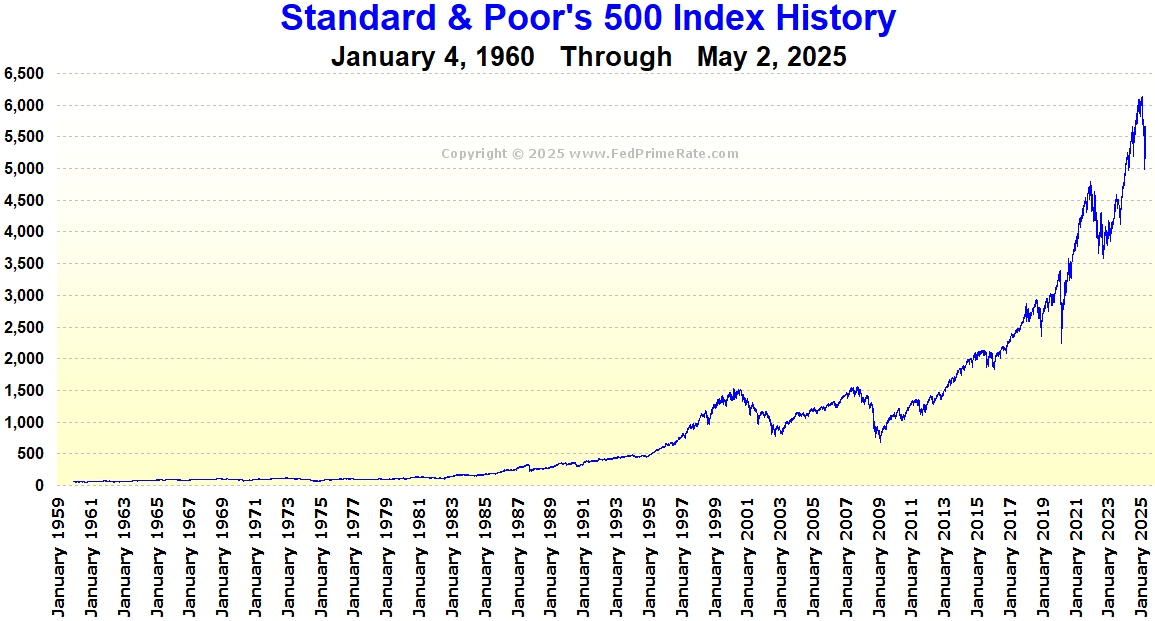
In many ways America is becoming a third world country, yet this is just opposed with a booming tech sector and an otherwise strong stock market and GDP, especially post-Covid. As discussed in my August 2025 post, “Why everything has gotten harder:”
America’s tech hubs are creating the future, yet much of the rest of the country has regressed or is frozen in time. In reputedly the most prosperous country in the world, stores can barely keep in the cash in the registers, either because they literally do not have the money, or for fear of being robbed. ‘Breaking a $20’ can be a major ordeal these days, let alone $100, which is still somehow considered enough money to arouse suspicions, when AI companies and the elite spend millions like nothing. It’s just a weird juxtaposition of America becoming richer and poorer at the same time, all in the same city or neighborhood even.

Zooming out, the ‘worst pandemic ever’ resembles a blip or a speedbump in an unrelenting march upward of growth. This is further example of the great divergence or bifurcation of America. Such rapid progress in AI and tech fortunes are superimposed on, and often mask, decay elsewhere.