Time for another bulletin about the stock market, Iran, and trading.
So many people are spiraling online about Iran, or how trump has ‘betrayed the base’. As I said earlier, this is not that expected nor unpresented, and Trump’s approval ratings have remained stable at around 40-41%. This is low, but it was like this before Iran, so the narrative of Trump’s support evaporating because of Iran, doesn’t hold water. He has the same problem as Biden of generally being highly polarizing, and there is nothing he can do to rectify this to broaden his support.
Historically, this is similar to US-led intervention during the ’80s and ’90s that fell short of an occupation, so it’s premature to call this a repeat of Afghanistan or Iran. On the other hand, I predict the strait will stay closed far longer than many are expecting, as Iran sees it as an effective bargaining chip. All Iran has to do is stay firm and not reopen, forcing Trump to choose between surging oil prices and possible loss of support or a land invasion.
If I were in Trump’s position I wouldn’t have done it. By attacking Iran, it’s evident he’s heeding the foreign policy of the neocon-led never-Trumpers, which agrees with the trend of how Trump’s biggest critics (such as tech CEOs) get handouts (e.g. taxpayer-funded AI initiatives) and the red carpet treatment at the White House, whereas his most loyal and ardent supporters (e.g. crypto donors) get rugged with scam coins or rebuked (no Bitcoin reserve). A frontrunner Republican candidate that will actually focus on domestic policy and less on foreign, is a leprechaun or non-starter.
Speaking of Bitcoin, I remain short. Nothing has changed between now and 2025: No hint of progress on the Bitcoin reserve, MicroStrategy has amassed huge Bitcoin losses and forced liquidation is not out of the question, and crypto legislation/reform has mostly been a failure. Alluding to before, in 2025 I invented the idea of shorting Bitcoin to hedge the stock market. No one else had done this.
Trump being bogged down by Iran (and when that is over, expect Cuba other countries) means domestic policy is on the backburner, which includes anything Bitcoin related. Although shorting Bitcoin hasn’t hedged recently, holding stable around $66k despite the Nasdaq falling 5%, I still am up considerably since I began shorting. Moreover, by taking risk off in the second half of 2025 by selling some tech stocks, I am still way up more than I otherwise would have been had I done nothing, so a huge success overall.
Going forward, I am still shorting Bitcoin and long tech stocks. The tailwind occurs when the market recovers quickly from Iran, but Bitcoin lags on the upside. This is where the hedging method really shines, like in 2025 and Jan-Feb 2026. The stock market will suddenly without warning recover from Iran, as consumer spending and AI remain intact, even with oil above $80 and no resolution in sight. It will be the same pattern as the March-April 2025 tariffs, where extreme negativity abruptly transitions to optimism.
The largest of retailers like Walmart, or tech behemoths like Google are unaffected by Iran. Inflation will not go up as much as expected because the price of oil only factors a little into the final sticker price of a sold good. A similar pattern was seen in 2007-2008 when oil prices surged but CPI-based inflation remained low:
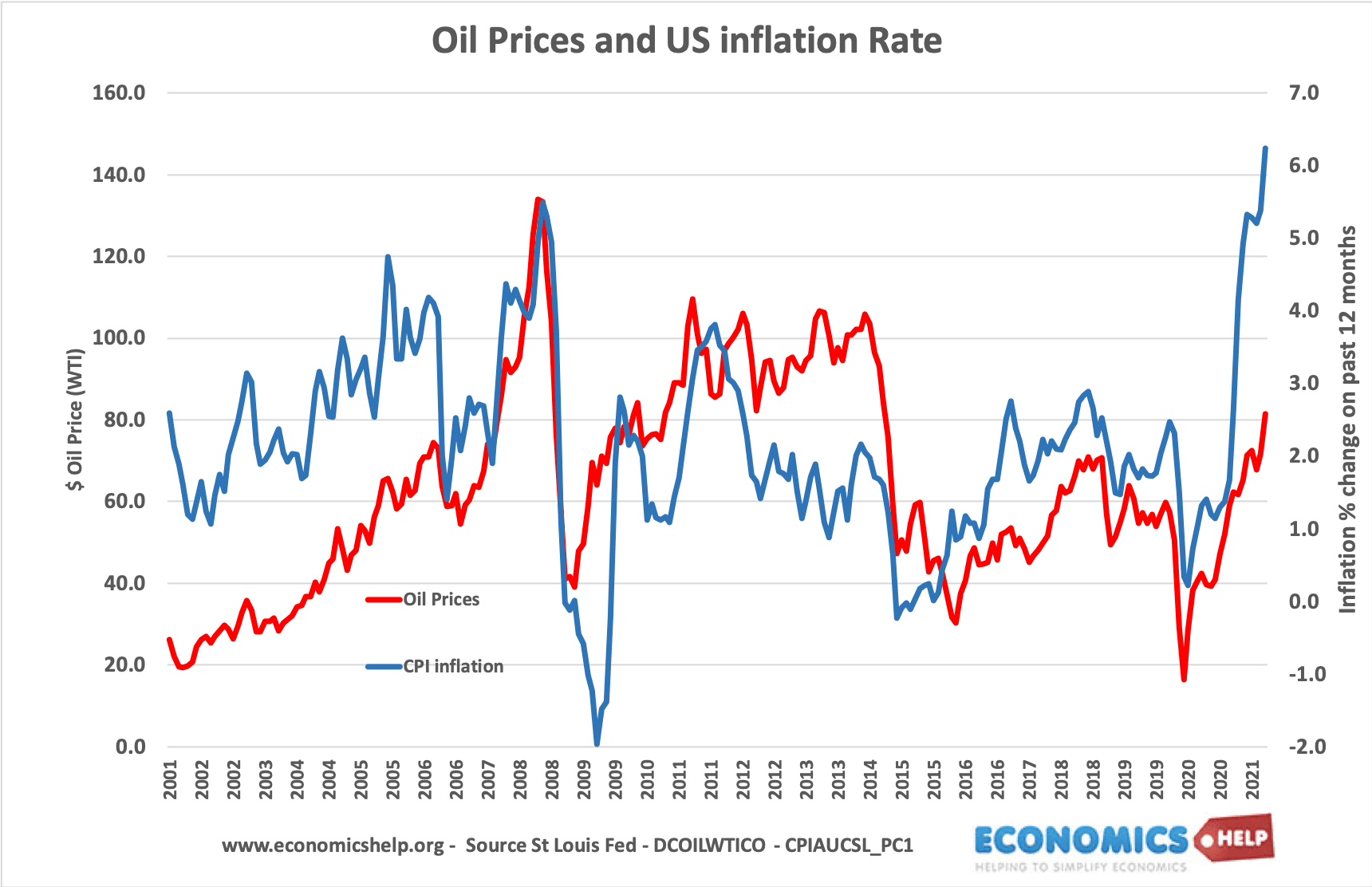
Between 2007-2008, the annual growth rate of the CPI increased from only 2.5% to as high as 5.5% despite oil going up 7x from $20 to $140.
And finally, an update about the math challenge. Last week, I proved another result and am currently working on the paper, bringing the total to seven papers so far. I had said I was done and had successfully completed the challenge, but this solution came to me, and had eluded others (the question had been asked several times on MathOverflow and MathExchange but remained unsolved), so I figured I’d try to get another paper out of it, since its presumed difficulty makes it noteworthy.
It goes to show how specialized math is, because these are experts, yet they could not answer the question despite it being asked repeatedly, and all it took was two key concepts than an undergrad could understand (two integration substitutions and one other operation). Proving this result was part of a larger result, which I can flesh out for the final paper. It’s not that great of a result, but I don’t want anything to go to waste, given that the cost of publishing to arXiv and maybe submitting to a journal is free except for time.